
A Lifestyle Change
I have labelled this discussion a dietary change, or at least an attempt at convincing you about a dietary change. But, I would much prefer to look at this more of a lifestyle change, than diet. The word ‘diet’ implies a temporary alteration of food consumption for a specific reason, and once that goal has been met, you come off of said diet. However, I would much prefer people think of this as a new lifestyle instead. I am bringing my position to the table on dietary lifestyle and how specific foods can better our lives, and moving beyond the simplistic notion of calorie counting for fat loss and other health benefits.
To embark on our exploration, let’s begin by diving into the fundamental concepts of ‘health’. Firstly, we need to define what the term ‘health’ means. At it’s core, ‘health’ encompasses all things physical, mental, emotional and cultural. It not only involves our physical well-being but also our mental capability, emotional stability, and cultural understanding. Being amid such a multifaceted categorisation, a pivotal question arises: how does food intertwine with our health?
Well, as our body digests and metabolises what we consume, it turns it into energy. If our body does not have enough energy to function, there is a huge influence on our physical and mental well-being. As we shift into a hungry state, our body prioritises the essential functions of organs instead of hormone production, causing many physical responses like fatigue, headaches, irritability and difficulty concentrating. Not only this, but the types of food we eat also have an influence on this state shift. If our diet lacks any of the 30 micronutrients, our body would also enter a state akin to hunger. But this time, it would be hungry for a nutrition, not energy.
As our body is depleted of its micronutrient storage, it starts to experience many side effects. Some of these are:
Dry skin
Night blindness
Impaired blood clotting
Hypothyroidism
Impaired glucose tolerance
Neurological and metabolic disorders
Fatigue
Anemia
Osteoporosis
Just to mention a few.
A Physiological Deficiency
Physiology, or the process of normal bodily functions, is a concept that encompasses how cells communicate and interact with each other to maintain the body’s inner balance. For example, processes such as metabolism, circulation, digestion, reproduction, and so on, are all physiological functions.
In this sense, we can imagine micronutrients as very small pieces of machinery each with their own specialised coding that are needed to allow bodily processes to take place. A coding deficiency can cause bodily functions, such as the production of haemoglobin from iron, to halt.
Without the necessary micronutrients, cellular machinery cannot operate optimally, leading to physiological disruptions. Consequently, leading to numerous health issues such as the ones labelled above. Due to this, I perceive a “healthy” diet to consist of enough energy for our body to sustain its duties, and a complete profile of all micronutrients.
It might seem bewildering to think that missing out on one individual micronutrient could cause many physical issues, but trust me when I say, if you consume the right foods, this issue becomes null.
The Right and Wrong Food
Frequently mentioned is the term “empty calories”. This is simply defined as a unit of energy with a poorer micronutrient profile than average. In other words, these calories contain energy but lack the essential vitamins and minerals for it to be effectively converted to a fuel source. Consequently, if these calories cannot be utilised by the body, they may be stored as fat, and contribute to weight gain or other health issues.
The idea of processing a calorie means to alter or transform its natural state to one of preference, usually removing, or damaging nutrients during the process. This is why processed foods are often referenced when there is a discussion about dietary health.
One of the primary reasons heavily processed foods pose a threat to our health is through nutrient loss. As discussed above, we know how important it is to consume all micronutrients available to create sound physiological processes. However, heavily refined calories usually have vital nutrients stripped away. These are then filled with highly addictive added sugars, heavy amounts of dietary fat, and or chemicals that alter our gut microbiota all in the name of convenience, flavour enhancement, and shelf-life extension.
Not only this, but one of the main components in food that is stripped away during such a procession, is fibre. Due to most processed foods being built from carbon, hydrogen, and oxygen, in other words, carbohydrates, we need fibre to bulk against them in order to properly digest. This means that without adequate fibre, we cannot fully metabolise the carbohydrates we consume, leaving them intact during the digestion process. Moreover, this deficiency hinders the body’s ability to extract micronutrients from that food, leaving it bunged up, and malnourished.
Considering all of this, we can assume a diet with enough energy and the correct micronutrient profile to not contain much, if any, “empty calorie” dense foods. So, in an obvious attempt to search for the best response, what does the opposite side of the spectrum look like? What is the food which contains the highest micronutrient profile whilst containing a sufficient, and not excessive, energy composition?
A simple way to communicate these types of foods is the term “superfoods”. The definition of a “superfood” is labelled as an extremely nutrient dense produce considered to be especially appealing to health and wellbeing. However, I don’t think this definition does justice to the types of food being discussed. To be specific, a “superfood” is a food with a lot more nutrition per gram than average. This means to be classed within these superior substances, it must be higher in almost all vitamins, minerals, and other beneficial compounds.
Now, when we all think of a so-called superfood, the first thing that might spring to mind is a bright green broccoli, or a hearty piece of spinach. These types definitely contain many micronutrients, but actually lack one of the most vital for the human body, being cobalamin, or vitamin B12. Not only this, but they lack substantial protein, amino acid, and dietary fat levels to live off of.
So is there one individual food that contains absolutely every micronutrient known to us? Unfortunately not. But there are many that contain almost everything. In fact, we can get absolutely every vitamin and mineral from a few select foods. These include:
Lean meats like Beef, Chicken, Turkey and Lamb
Fresh Berries & Fruits
Tuberous Crops
White Rice
Plant Derived Natural Sweetners
Oily Fish
Eggs
Dairy
This is where I get the idea of a vitality diet from. Taking the prior definition of a diet filled with nutrient dense, objectively healthy foods, I would recommend focusing your attention onto these products. Not only would you hit every single macro and micronutrient target available, but you would also experience increased energy levels, better digestion, improved cognitive function, fat loss, improved mood, and more fluid movement. By prioritising this list, you essentially give your body the correct nutrition to heal and recover from the years of malnourishment the average person has forced onto their organs.
Pro-Nourishment
It’s no good me telling you the benefits of a diet such as this without properly explaining how it works. So I will try to put it in a manner that is easily generalisable to all.
Essentially, the average diet we have in The Western world causes vast amounts of malnourishment. Just look into the rising rates of obesity, eating disorders, cancers, heart diseases and learning difficulties. I don’t wish to oversimplify and blame one issue, but one thing has certainly risen at similar rates to all of these, and that’s the consumption of processed foods.
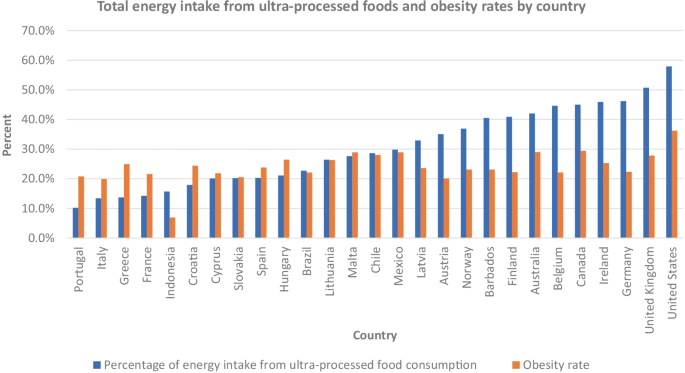
It is difficult to blame calories when these have steadied in the past 15 years. Same goes for exercise, as it is constantly increasing per generation. But the consumption of processed foods, or “empty calories”, has a similar inflation line to that of cardiovascular diseases, obesity, and even autism.
By priotisiting nutrient dense foods and minimising empty calorie consumption, individuals can provide their body with the optimal nutrition to heal and recover from the years of malnourishment they’ve been stuck in. While not all health issues cab be solved from a lifestyle change, it represents a meaningful starting point in taking back control of your body, and improving overall well-being and long term health outcomes.
In conclusion, while changing to a vitality diet may not improve all health outcomes, it represents a powerful step to taking back control of your well-being. This shift not only addresses nutrient deficiencies and physiological responses, but also fosters a healthier relationship with food and promotes long-term vitality.

 Vitality Blueprint
Leave a comment