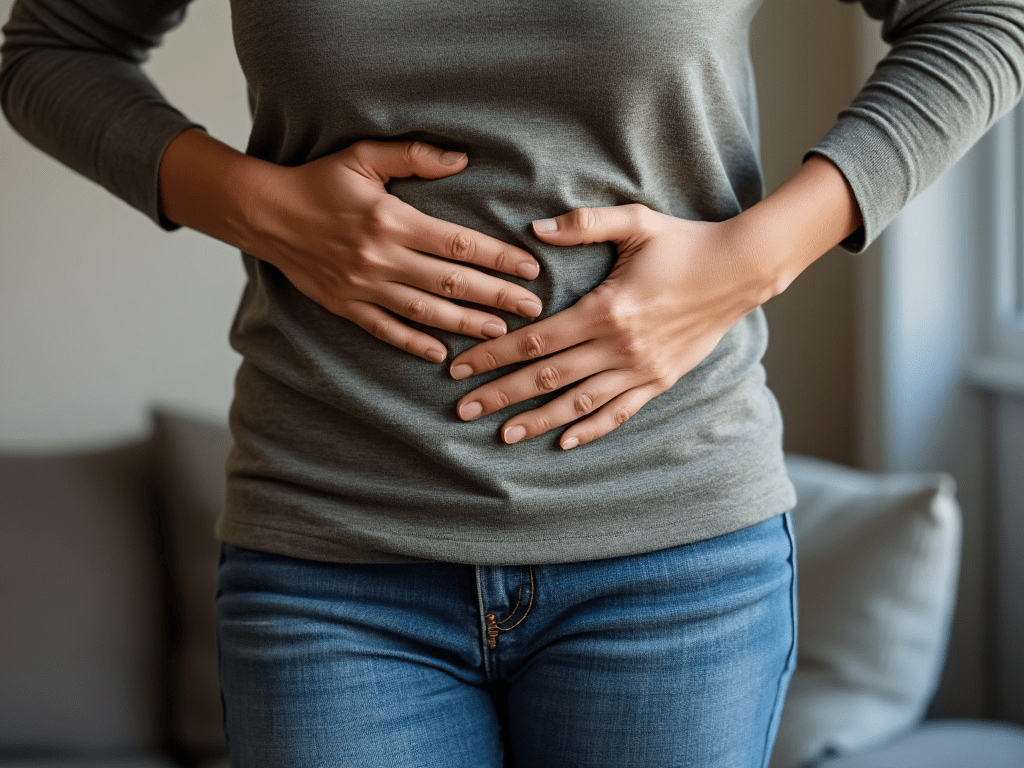
For most people, Irritable Bowel Syndrome is understood to be a long term or chronic condition in which they experience serious pain or discomfort in the abdominal region associated with their bowel movements. This biopsychological condition is one of the most prevalent ailments with its rates ranging between 4-22% depending on which population is studied. However, IBS makes up almost 50% of all cases discovered in terms of gastrointestinal issues. Some research has even suggested that 15% of the global population has this condition to some degree. Although the exact pathology for IBS is not known, many have suggested that it is made up of our biology, psychology and dietary lifestyle. This sequence of thinking is known as the biopsychological approach and is the foundation for understanding and treating this condition.
By considering both biological factors, such as genetic predisposition and gut health, and psychological factors like stress and anxiety, we formulate a comprehensive approach to addressing IBS. Highlighting this interconnectedness is vital for effective intervention strategies.
Digestive Mechanisms of IBS
The process of pain starts through the food ingestion process. Certain foods can trigger IBS symptoms within susceptible individuals. Once the ingestion process starts, the food travels through the digestive tract, into the stomach, where it is mixed with digestive enzymes and gastric acid. However, certain foods, usually undigested carbohydrates, may not be fully broken down in the stomach leading them straight into the small intestine. Within this organ, these carbohydrates start fermenting in the gut bacteria. This process creates gases, with excessive production leading to bloating and discomfort.
The presence of undigested, fermenting carbohydrates in the small intestine can trigger abnormal contractions in the local muscles. During the digestion process, our small intestine’s smooth muscle tissue has rhythmic contractions that help move food and waste through the tract. However, fermenting carbs are a lot harder to move, so these muscles exaggerate their contractions to help them move along, causing this so-called IBS abdominal pain.
Factors Beyond Biology
There are a few biological conditions/mechanisms involved with IBS. However, the effect to which these cause IBS is not yet fully understood. Firstly, certain food intolerances, like inability to digest lactose, fructose malabsorption or celiac can all cause IBS symptoms if the wrong products are consumed. However, not all people with IBS have food intolerances. In fact, this is one of the smallest factors causing this condition. Therefore, we will focus on the psychological and and dietary lifestyle factors because of the significant impact they have on manifestation and management.
Psychological Factors in Manifestation
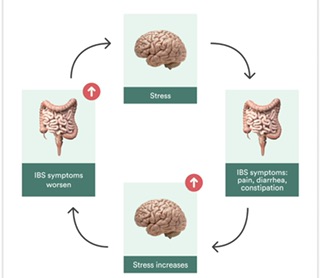
As with other conditions, IBS has been closely related with altered psychological function, with the syndrome being manifested from anxiety, stress, depression, and even OCD. This comorbidity has been seen in numerous studies with numbers as high as 46% in people with an anxiousness disorder displaying IBS symptoms. Despite findings such as this, the relevance of psychology and mental wellbeing has been questioned by some within the medical community due to little experiment based data.
Although current findings do not support IBS and other functional disorders as being primarily manifestations of psychiatric disorders, there is very good evidence that childhood experiences, life stress, and even personality variables all play a role in symptom prevalence.
Therefore, this means psychological factors are not the sole cause of IBS, but are recognised as importance contributors to the condition. In fact, these factors show how psychological disorders play a significant role in how the condition manifests and how individuals cope. But, it does not tell us the whole story. Moreover, it implies that there must be other underlying factors for an IBS manifestation.
Dietary Influence on Symptoms
When it comes to exerting control, our dietary lifestyle offers the biggest degree of influence. While navigating through our psychopathology, there are lots of irrationalities, with most being extremely difficult to control. Conditions like depression and anxiety are widely described as irrational behaviours, prevailing on the lack of logic. But when it comes to our diet, these decisions are rooted in tangible day-to-day actions, and not emotions. This gives us a significant level of control, one that we cannot see in most other aspects of life.
Also, diet plays the joint most significant part in IBS symptoms alongside psychology, but instead, we have the complete ability to control what enters our body. For this reason, focussing on diet is of the utmost importance for overcoming any IBS symptoms.
Firstly, we need to figure out what foods exasperate the most symptoms, excluding people with certain intolerances. From previous discussion we can assume that some carbohydrates play a part since these molecules are what ferment within the gut. Now, I’m not going to recommend to cut carbohydrates, in fact I’m a big advocate for high carbohydrate diets. But instead, I’m going to recommend a fibre-carb ratio.
Fibre molecules bulk onto carbohydrates to help aid digestion through the intestines. If there is not enough fibre, the carbohydrates ferment and are excreted as gas. This can cause IBS symptoms in some, especially if there is a big imbalance. Many researchers have found different ratios, but a middle-ground between them is a 1:9 ratio of fibre to carbohydrates in grams. For example, if I ate 500g of carbohydrates, I would want to eat at least 55g of fibre to help aid digestion. This rule is meant to be taken as a minimum. It is quite difficult to eat too much fibre when consuming carbohydrates within your diet, so making sure you go above this recommendation will help reduce IBS symptoms.
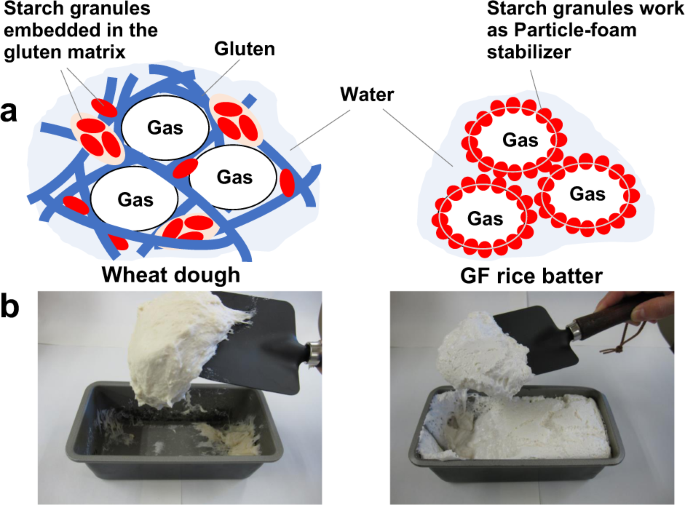
Secondly, heavy levels of gluten have been found to cause abdominal contractions. One message I try to spread is the harm of gluten. Let me explain. Gluten is a type of protein molecule only found in wheat products. This is the most difficult protein for our body to digest. It’s molecular structure is extremely dense, making it more likely to ferment within the colon than other types of carbs. For example, rice and potatoes are made up of starch molecules, whereas gluten is made up of gliadin and glutenin. These two molecules contain a disulphide bond which means our body’s stomach acid struggles to break the down and extract nutrients. Not only this, but they also contain protease inhibitors which further reduces our digestive enzyme’s ability to break down. All of this leads to increased likelihood of fermentation within the colon.
Finally, diets high in fried foods have been found to cause IBS symptoms. Due to the very high temperatures of frying, these foods are served with denatured digestive enzymes. These enzymes help digest all macros into smaller molecules so our body can absorb them. When these are deactivated, like within very high heat foods, the body struggles to efficiently digest the consumed products. Also, the process of frying creates compounds like AGEs which are shown to cause oxidative stress and digestive issues from gut microbiota imbalance.
Taking Control
IBS is a condition that affects far too many people in modern day society. But we haven’t been armed with enough information to fight it. I firmly believe that the number of people experiencing IBS symptoms is 10x higher than need be if these individuals were told how to fight back.
My recommendations for anyone going through issues like this is to attempt a fully natural diet for a month. The only food you are allowed to eat is products that would persist whether humans existed or not. This means cutting out wheat and only getting your carbohydrate sources from rice and potatoes, making sure to hit your 1:9 minimum fibre ratio, consuming lots of lean meats from animal sources, and cutting out all processed, especially deep fried, foods.
Give this a go and see how your life changes after only 30 days. An example of this diet will be written below.
Diet Example:
Breakfast
Ham & Egg Omlette
Lunch
Roasted Sweet Potato, Oven-cooked Salmon, and green beans
Dinner
Chicken Stir Fry
Snack
Yoghurt, Berries, & Maple Syrup
 Vitality Blueprint
Leave a comment