We know that habitual exercise has a big impact on our skeletal and muscular systems, but what about our neurological?

Most people understand the importance of exercise, whether resistance or cardiovascular. But few know the deep impact it has on our neurological development throughout childhood and adolescence.
Exercise is often championed for its physical benefits, such as improving muscle density, strength, cardiovascular health, and weight management. However, its role extends far beyond the physical realm. From enhancing cognitive function to improving mental health and emotional well-being, regular physical activity plays a critical role in our neurological development.
Young Children
If you were to compare the Executive Function in highly active versus inactive 7-year-old kids, you would see some clear differences. For example, the ones who performed at least 30 minutes a day of vigorous exercise, no matter the type, had better organisation, attention span, decision-making, and emotional regulation. But, if you increased the ages to 9-10, you would also see improved maths fluency, creativity, grades, comprehension, and memory.
These fluctuations can come from as little as 30 minutes of higher-intensity exercise per day, below the recommended minimum for young children anyway.
Exercise also causes a very specific physiological response within the brain However, this response is heightened for young children due to the malleableness of their brains. For example, every time we exercise, multiple neurotransmitters are released, specifically serotonin, dopamine, and norepinephrine. Therefore, the extreme neuroplasticity of a pre-adolescent’s brain causes changes each time they conduct high-intensity physical activity. These changes literally shape the way we will live our lives in the future, even going to attributes like IQ, confidence, and emotional independence.
Adolescence
In 2023, multiple researchers came together to decipher the extent to which habitual exercise warped the minds of children heading into adolescence. This study examined the connection between physical activity, cognitive ability, and educational performance in 187 students.
Throughout the research, multiple correlations were noticed. One of which is that students with higher VO2 maxes have higher Total Response scores. Furthermore, this correlation was found with a 150% increase from the lowest-highest oxygen scores. However, this was not the only huge result that was discovered. A similar correlation was found when comparing BMI with omission score, with higher body mass individuals providing more failed responses.
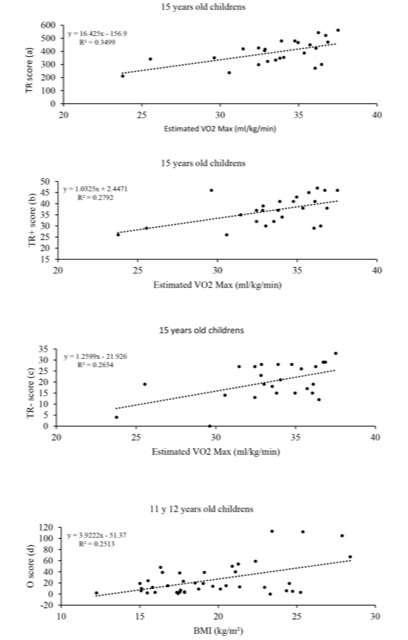
As the author describes it, the swift change to sedentary behaviour amongst children has had a huge cognitive impact, leaving many who are entering adolescence undeveloped, metabolically diseased, and physiologically sick.
The importance of encouraging children heading into adolescence to habitual exercise cannot be underestimated. This can be especially seen with the rising rates of childhood obesity, metabolic diseases, physiological issues, and declining IQ. There is a need to rearrange this crisis to the top of the educational agenda.
The Role of BDNF
Exercise induces trophic factors within the brain associated with cognitive improvement, alleviation of mental illnesses, and effective gene expression. Even though these exact mechanisms are not well understood, we have countless studies showing their effectiveness and the ages to which the positive effects are most active.
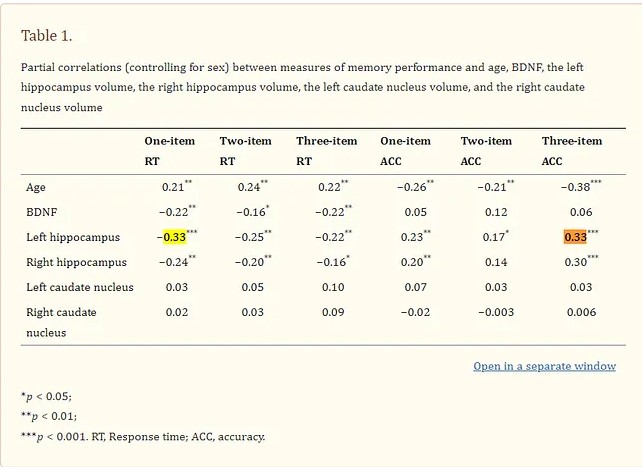
The mechanism in question is the Brain-Derived Neurotrophic Factor (BDNF). This protein is strongly associated with the promotion of new neurons from neural stem cells, enhanced neuroplasticity, strong facilitation of synapse growth, and encouragement of neuron and synapse differentiation. All of this is vital for overall brain development throughout our lives.
Our current theory suggests that exercise induces BDNF through the production of ketone bodies (the same ones that are induced by a ketogenic diet). These ketone bodies, especially BHB, enhance mitochondrial function and efficiency. This higher function increases ATP production, which provides the energy necessary for various cellular processes, inducing the synthesis of BDNF. One study even listed that aerobic exercise caused an average of 32% increase in sBDNF levels relative to baseline concentrations.
Not only this, but we know that this protein level drops with age. For example, after young adulthood, our BDNF serum levels drop an average of 0.33% per year, with the biggest drop-offs coming after 55 years of age. This is actually one of the theories around the prevalence of Alzheimer’s within our society, but that’s for another day.
Discussion
The profound impact of exercise on neurological development throughout childhood and adolescence cannot be overstated. As mentioned, regular physical activity not only enhances muscular and skeletal health but also plays a pivotal role on cognitive function, emotional well-being, and overall brain development.
The evidence indicates a vastly improved executive function in active children, enhancing organisation, attention span, decision-making, and emotional regulation highlights the immediate benefits of intense exercise. As children grow older, these cognitive advantages become even more prevalent, with significant improvements in mathematic fluency, creativity, comprehension, and memory.
Not only this, but the relationship between physical activity and cognitive ability further reinforced its critical role. The strong correlation between higher VO2 max levels and improved Total Response scores, as well as the inverse relationship between BMI and cognitive performance, emphasises it further.
Finally, we cannot ignore the role of BDNF in mediating the neurological benefits of exercise. Its involvement in promoting neurogenesis, enhancing neuroplasticity, and facilitating synapse growth and differentiation is vital for brain development. This protein significantly decreases with age, affirming the importance of teaching habitual exercise throughout childhood.
Recommendations
Encourage children to habitually take part in rigorous exercise at least 4 times per week for a minimum of 30 minutes per session
Teach parents and teachers about the importance of exercise for cognitive development in our youth
Make exercise fun for all young people by involving competitiveness, promoting determination, and teaching teamwork and resilience
Integrate more physical activity into school curriculums
Leverage technology to promote physical activity (online challenges with physical rewards)
Provide resources and support for at-risk families
 Vitality Blueprint
Leave a comment