There is no longer a desire to be humble. Instead, we have created a society that breeds arrogance.
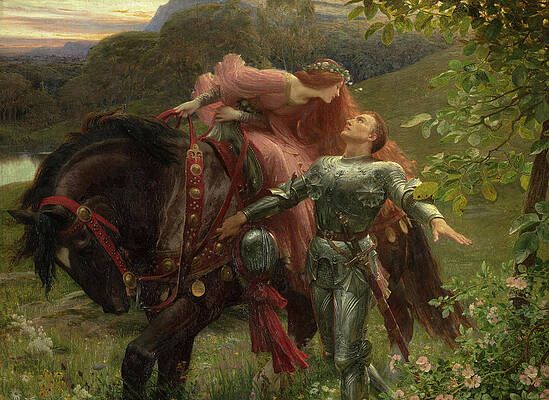
Chivalry is traditionally defined as the medieval knightly system comprising moral, social, and religious codes. In modern times, it is understood to refer to the gallant and honourable instincts that men exhibit when treating women. Some may think this mindset has been left behind, but it isn’t entirely gone—rather, it is dying. The real problem arises from the younger generation of men and their perception of self. While chivalry remains present, our collective desire for humility has diminished, leading to a rise in toxic masculinity and gender polarization.
Chivalry, at its core, included humility as a fundamental virtue. Knights were expected to act with modesty, putting the needs of others before their own. This humble approach was integral to the chivalric code, which valued selflessness, respect, and service to others. However, today’s society no longer propagates a modest and selfless view of importance; instead, it fosters conceit, poisoning it with toxic masculinity, ignorance of innate purposes, and polarisation of the sexes. Consequently, we now find ourselves in a world where the principles of chivalry struggle to survive amidst a backdrop of self-centeredness and gender discord. As a result, what was once a noble system of conduct is now withering away, caught in the clash between traditional values and contemporary societal norms.
Chivalry’s erosion is not merely a lament for a lost era but a reflection of deeper societal issues. The rise of individualism and the relentless pursuit of personal success without reason has overshadowed the communal and altruistic values that chivalry once championed. Young men are bombarded with messages that equate masculinity with dominance and entitlement and now find themselves adrift, disconnected from the virtues of respect and honour. This has led to a decline in humility—a key component of traditional chivalry—reflecting a broader societal trend where self-promotion and personal gain are often prioritised over communal well-being and modesty.
Moreover, this is exacerbating the polarization of the sexes. In an age where women rightfully control their choice of sexual partners, a misinterpretation of modern gender dynamics has led some men to feel threatened or confused, often leading to unhealthy responses, such as manifesting resentment or retreating to isolation. Claims that young women’s standards are unattainable poison a man’s culture causing such reactions to deepen the divide further, fostering a culture where mutual understanding and respect are obscured by animosity and mistrust. However, in reality, high standards are justified as women seek qualities such as protection and respect, traits often exemplified by chivalrous men.
Additionally, in an age where gender equality is emphasized, misunderstanding and misapplication of this principle have led to an outright rejection of “outdated” behaviours. Acts of chivalry are being misinterpreted as undermining a woman’s independence, rather than being seen as gestures of respect and courtesy. This highlights the need for a renewed understanding of humility, which values selflessness and respect for others. By appreciating that true equality and respect come from a place of mutual understanding, society can begin to reconcile the noble intentions of chivalry with modern principles of gender equality.
Finally, the erosion of chivalry and influx of toxic masculinity can be seen as both a symptom and a cause of these broader societal issues. It signifies a departure from a framework that once emphasised duty, honour, and service to others, leaving it with a culture plagued with disrespect and naivety. Without these guiding principles, young men struggle to find a connection to the opposite sex, resulting in extended polarisation and a diminished desire to bridge the gap. Reaffirming the importance of humility in our interactions can help restore the balance, allowing the true essence of chivalry—rooted in respect and selflessness—to thrive once more.
 Vitality Blueprint
Leave a comment