In 2023, Netflix released the show “Live to 100: The Secrets of Blue Zones.” As expected, the main premise of this docuseries was to trick people into thinking those primarily living on plant-based diets live the longest and have the highest quality of life. Ignoring the fact that this series was a complete sham, riddled with fake birth certificates and poor observations, the same propositions can be heard all around our society: “If you want to be healthier and happier, eat a plant-based diet because meat will end up killing you.”
First, we need to understand what living a “healthier” life entails. Since it’s a subjective term, meaning it is up to the individual, it is quite difficult to apply universally. However, some obvious factors are commonly associated with the idea of a “healthy body.” For example, we can distinguish between a healthy and unhealthy body by its prevalence of disease or illness, its ability to conduct basic physical activity without issue, skin clarity, adequate energy levels, regular and painless bowel movements, refreshing sleep, and proper immune function. Conversely, the opposite of these factors would define an unhealthy body.
Given this, the notion that a plant-based diet is inherently healthier than a diet containing meat is scientifically incorrect. I understand that this might contradict what you’ve heard, but I implore you to hear me out.
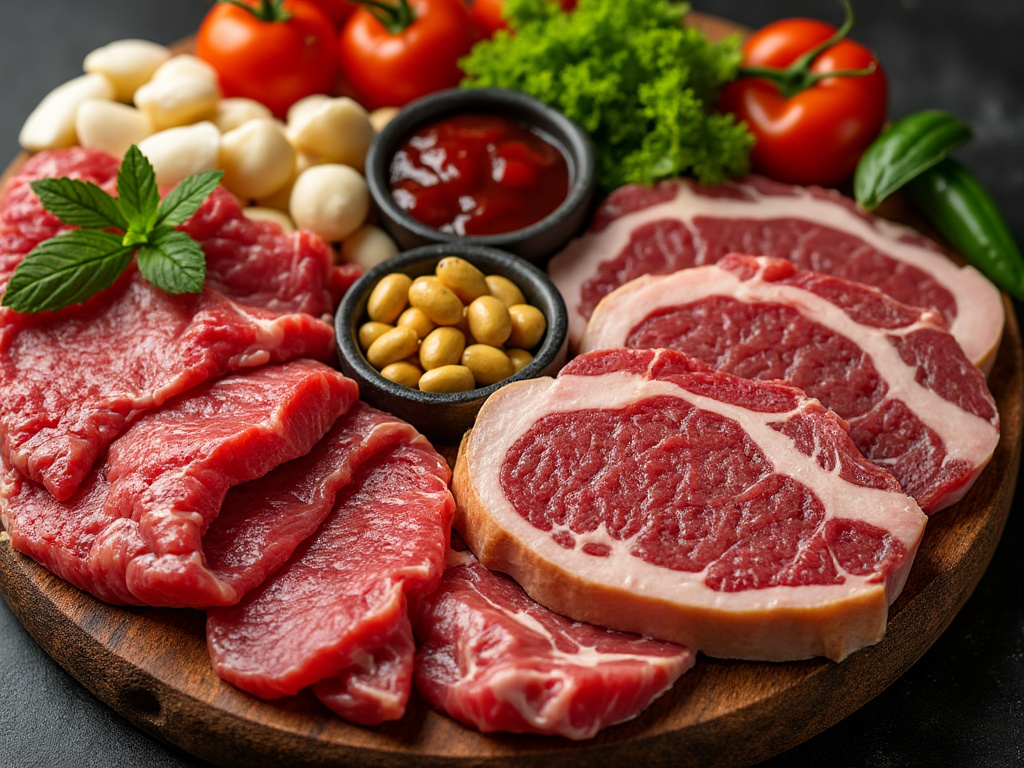
Let me make this clear: when I talk about a meat-based diet, I do not mean all meat. For example, I am not referring to a diet high in processed salamis or BLTs from a Tesco meal deal. When I mention a meat-based diet, I specifically refer to clean red or white meat, such as chicken breast, steak, and minced meat. At no point am I referring to processed choices.
With that out of the way, a common argument for adopting a plant-based diet is the reduced risk of chronic diseases. Many people, perhaps without realising, reference the work of Ancel Keys in the 1950s, specifically “The Seven Countries Study.” Simply put, Keys and his colleagues selected seven countries with varied diets to determine their heart disease risks. Their findings? A strong correlation between saturated fats and incidences of heart disease. Conversely, populations with diets low in saturated fats had fewer instances of heart disease.
Ancel Keys’ “discovery” is what shaped the current Western dietary guidelines, particularly regarding the role of meat intake. However, what these organisations “forget” to tell people is just how biased and inadequate Keys’ data collection was. For example, Ancel Keys only selected countries that fit with his hypothesis, completely ignoring Hong Kong and France, which consumed very high amounts of saturated fats but, at the time, had low prevalences of heart disease. He also conducted research on the effect of molecules as an observational study, rather than empirically seeking any consequences.
In contrast, empirical research provides a completely different conclusion. For example, systematic reviews of unprocessed red meat intake (which contains the highest levels of saturated fats we regularly consume) found zero association with an increased risk of cardiovascular diseases or diabetes. However, processed red meat showed the opposite. This same conclusion can be seen in over 20 studies, with a total population size exceeding 1,000,000.
But for some bewildering reason, current ‘researchers’ often lump red meat and processed meat into the same category, despite their minimal similarities. In fact, red meat has a closer relationship to poultry than to processed meat, leaving it confusing as to why they would put them into the same classification.
While it is undeniable that a diet rich in fruits and certain vegetables can offer numerous health benefits, you will be missing out on vital vitamins and minerals by ignoring meat. Firstly, it’s important to note that it’s all well and good for certain foods to be high in nutrients, it is completely meaningless if our body can’t absorb and utilise them. For example, spinach, kale, soybeans, broccoli, and asparagus all contain a significant presence of beneficial compounds. However, each of these also contains high levels of oxalates, which bind to the minerals, reducing their ability to be absorbed. As a result, when you consume these types of foods, you will only absorb 5-40% (depending on the mineral) of the actual nutritional content purely because of its bioavailability.
But the one food that can reach 100% bioavailability? Clean, unprocessed red meat. It contains almost every vitamin and mineral your body needs to survive. Not only that but it is primarily composed of protein, the number one macronutrient you need to build muscle mass—something many people lack in their diets. Moreover, muscle mass is a significant predictor of longevity due to its role in mitigating sarcopenia, preventing fractures and falls (the leading cause of death in the elderly), and increasing metabolic health.
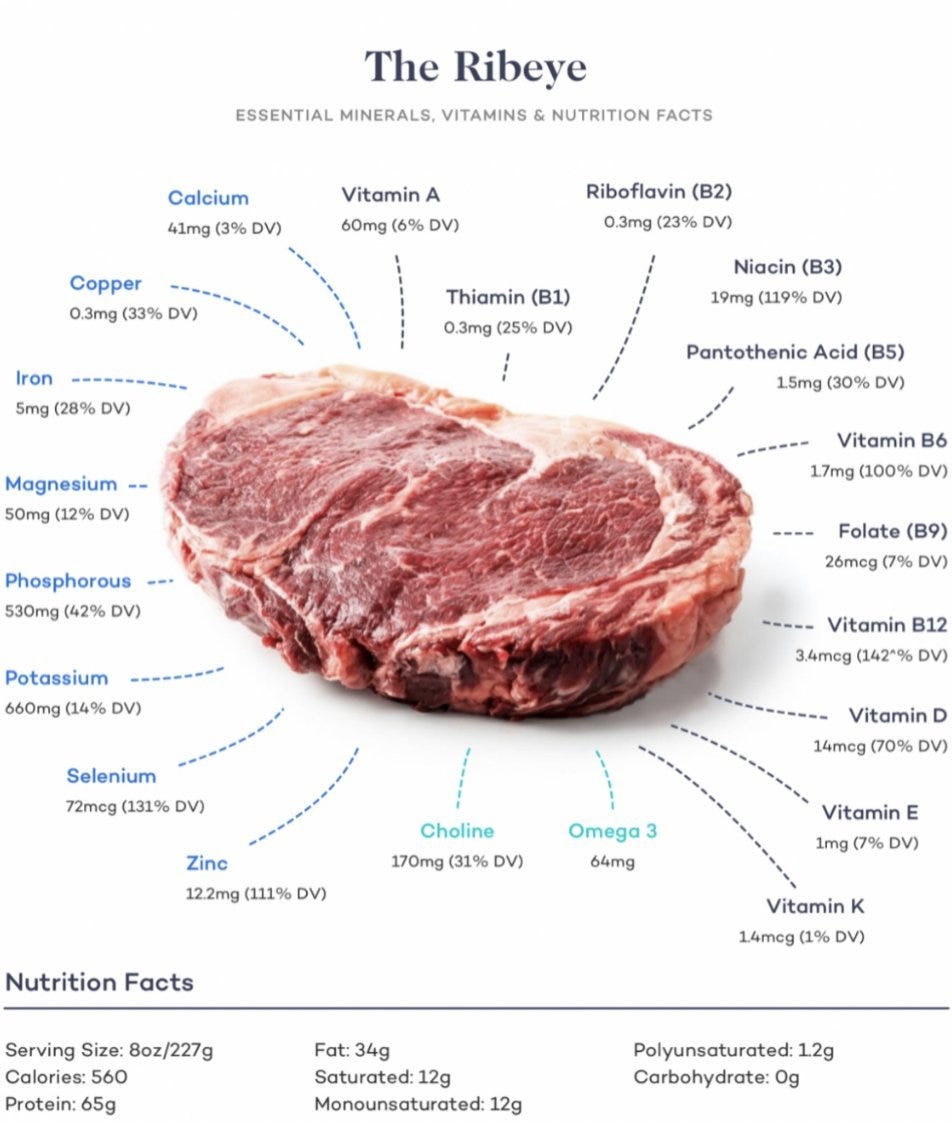
Additionally, this completely disregards the health complications associated with following a plant-based diet. Not only does it increase your likelihood of developing numerous nutritional deficiencies, digestive issues, osteoporosis, and food allergies, but it also fails to provide adequate amounts of essential nutrients that are efficiently obtained from animal sources. Take vitamin B12, haem iron, EPA, and DHA, for example. These are critical for neurological and immune function but are completely lacking in non-supplemented plant-based diets.
Another critical point is that unprocessed meat plays a significant role in maintaining overall energy levels due to its high iron content. This form of iron is readily absorbed by the body, far more than the type found in plants, making it vital for preventing anaemia and insomnia.
To conclude, while I appreciate the sentiment of people searching for a healthier way to eat, the idea that plants are automatically better for you is not backed by any scientific data. The truth is, that we need a diet that contains enough protein to support our day-to-day life, and plants can only provide it with careful planning and consideration. But even then, you would need to supplement the missing vitamins to not develop a niacin (B3) or riboflavin (B2) deficiency. It’s important to think critically about the information you believe to be consensus because not all health advice is in your best interest.
 Vitality Blueprint
Leave a comment