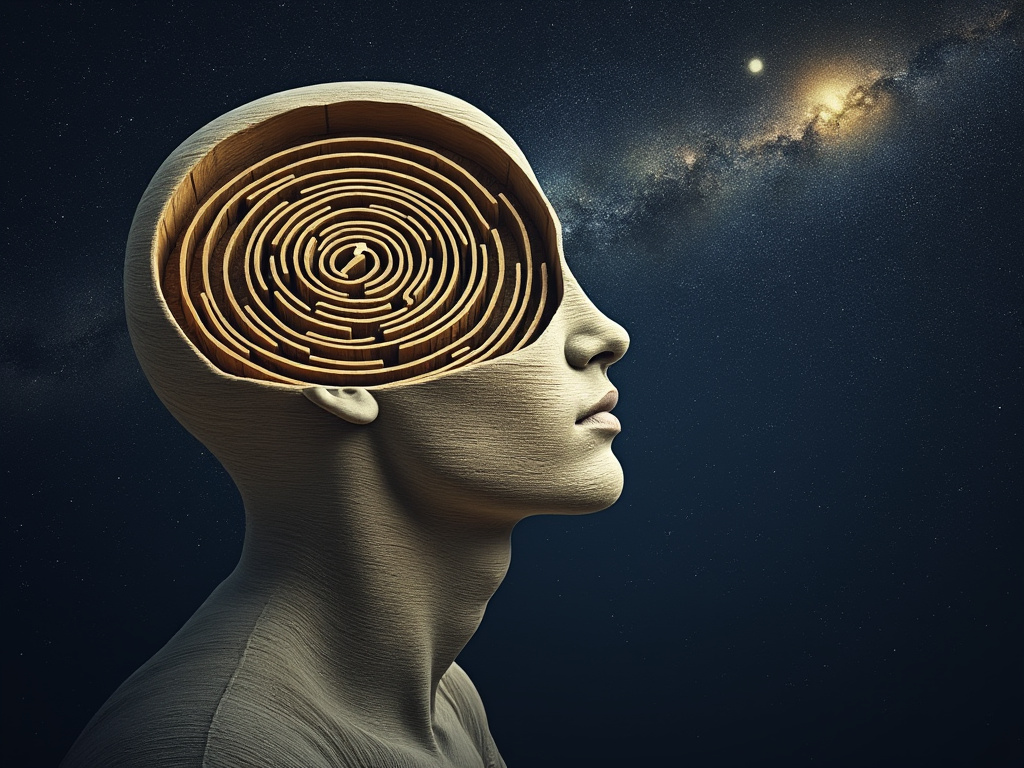
Fatherhood stands as the most profound and consequential role a man can assume. It transcends the mere provision of childcare, immersing itself into guiding the next generation toward a life imbued with purpose, driven by the highest subservient aim. Their lives should be oriented towards imparting the most exalted values, whether that be moral integrity, serviceable ideals, or the offering to the world. In this sacred duty, a father shapes not only his children’s character but also the generations after. By instilling dignified virtues, he ensures that his legacy is one of strength, wisdom, and compassion, fostering a multi-generational lineage capable of leading with empathy and conviction.
In the broader context of life, the pursuit of the highest aim is indispensable. For a father, this means instilling in his children the understanding that their existence holds significance beyond immediate gratification or material success. True fulfilment is found in aligning one’s life with values and aspirations that serve a higher purpose, be it through altruism, self-offering, or the commitment to truth and justice.
Arguably the most formidable challenge in fatherhood lies in the necessity to relinquish control. This act of letting your children be broken by the world in the pursuit of what’s highest should be perceived as the ultimate sacrifice, requiring a father to entrust his children with the confidence and autonomy to overcome all malevolence. The biblical narrative of Abraham’s willingness to sacrifice his son, Isaac, serves as a symbol for this process, the gesture of giving one’s child to society so they can achieve independence. This surrender, however, is not an abdication of responsibility but rather a recognition that true strength and resilience in one’s children are forged through their own experiences and struggles.
Every parent understands that such a sacrifice is essential for children to grow and thrive independently. In the continuation of the story of Abraham, God returns Isaac to him, symbolising the idea that a father must allow his child to confront the world independently to ultimately receive them back as fully formed individuals. This narrative suggests that to truly guide your child toward the highest point, a father must resist the urge to live out unfilled desires through them. The willingness to sacrifice one’s child to the world is crucial for their development; without it, the child risks being burdened by the parent’s selfish aspirations, preventing them from becoming an individual.
A father’s legacy extends beyond mere protection; it lies in empowering his children to face adversity with confidence. A confident child who faces struggles is far more likely to overcome adversity than a protected one. This is where the end goal of a father lies. Teaching them to embrace and navigate suffering, rather than shielding them from it is paramount. Understanding that the world is full of harsh and unforgiving evil, a good father recognises how to arm his children with the means to independently stand and face challenges head-on. Only through facing and overcoming difficulties can true resilience and strength be developed. A child who is shielded from serious difficulties, whether that be moral dilemmas or physical pain, will not grow up to be the basis of their community.
The divine promise to Abraham that he would become a father of nations serves as a metaphor for the universal role of a father. The word “father” transcends literal meaning, encompassing the roles of guide, protector, and, ultimately, the one who releases his children to the world. By following this sacrificial path of forward movement, a father not only shapes his own life but also imprints an archetypal spirit upon the lives of his descendants. His legacy is not merely a reflection of his own life but a living embodiment of the virtues he has instilled and passed down through generations.
Fatherhood is more than just a role assumed by individuals; it is an archetype – a deeply rooted symbol that resonates across cultures, representing a fundamental aspect of human experience. Such an archetype exists within the collective unconscious, embodying the masculine qualities of wisdom and sacrifice, and the transmission of power and values. As seen in ancient mythology and the story of the crucifixion, father figures represented the pillars of strength and authority, guiding their progeny through multiple challenges. In many cultures, this archetype plays a significant role in the creation and survival of the community. Take Confucian tradition, Greek gods, and indigenous cultures such as the Maasai of East Africa, where the father sacrifices personal desire to enable stability across unions. They give up the whims of the present to allow children to thrive. As a result, crucibles became the centre of religious society, predicating the stability of the community by the willingness of the individual to sacrifice.
So, fatherhood is not merely a generic role but a profound archetype that transcends time and culture. Every man living today embodies the values and desires of his father, grandfather, great grandfather and so forth. The legacy of a father, therefore, is not confined to immediate family but resonates through generations, fostering a lineage of leadership, confidence and purpose. In this way, the essence of fatherhood continues to shape the world, generation after generation.
 Vitality Blueprint
Leave a comment