Curled up inside us lies an organ that occupies the same area as a small studio apartment in central London. But instead of hosting a stressed Cockney, this biological structure houses trillions of microorganisms. With a surface area of 32 m², our gut may be the most influential organ in the human body.
Within our intestinal tract lives an unimaginable number of bacteria, all involved in functions critical to our health and well-being. A healthy person can have up to 1,500 different species working simultaneously to aid digestion, metabolism, immune regulation, and even the way we think.
Interactions between a host and their microbiome are extremely intricate. Intestinal microbiotas influence many aspects of our metabolism, producing various hormonal and neurotransmitter precursors such as serotonin, dopamine, and GABA, which are key regulators of cognition and mood. In fact, up to 90% of the body’s serotonin is produced in the gut.
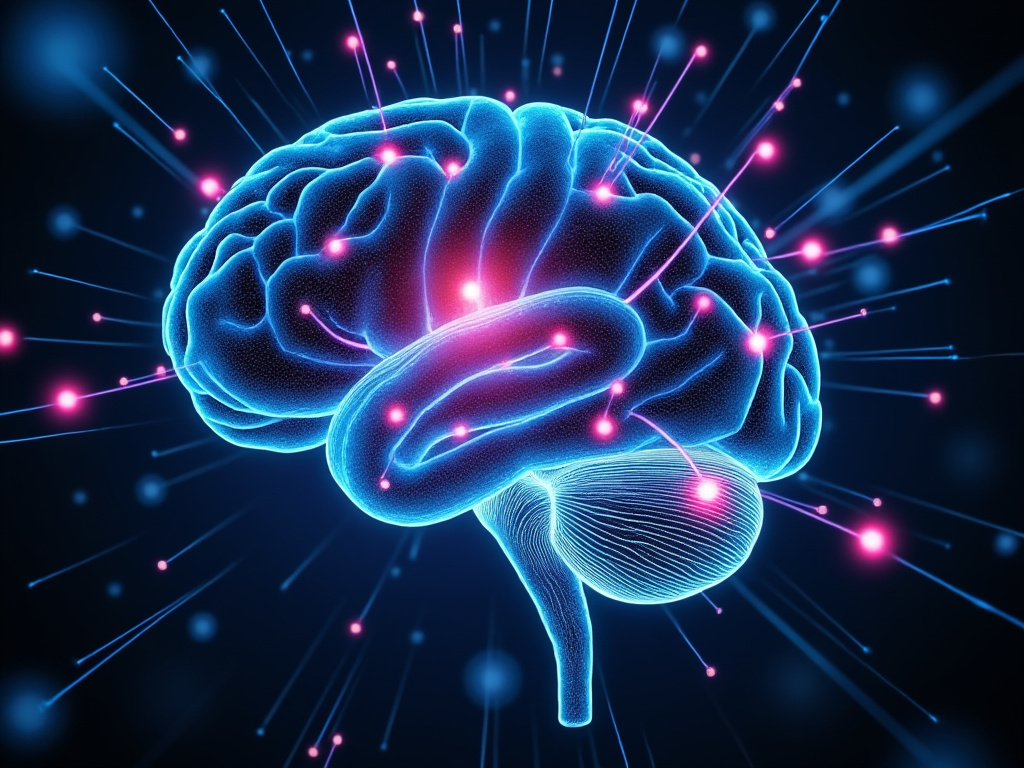
These chemical messages travel to and from our gut and brain through the gut-brain axis. This highly specific connection helps regulate our immune function, digestive system, and the unique flow of vital neurotransmitters, like the ones previously mentioned. With the gut producing most the body’s mood-regulatory messages, it is essential to maintain a healthy microbiota. The microbiota’s impact is especially important during the early stages of life, when the brain and nervous system are rapidly developing.
For example, there is evidence that microbiota-mediated outcomes (neurophysiology influenced by the gut) occur during the most malleable stages of development. If a child has an impaired bacterial colony, there may be irreversible neurological effects as they age. During childhood, especially through critical windows of neurological development, the nervous system and microbiota communicate more intensely than at any other period in life. If our gut bacteria are impaired in metabolite production, this severely hampers brain function and development. The by-products of this process regulate inflammatory responses, neural signalling, and neurological development in the hippocampus and prefrontal cortex. Disturbances in early life, caused by environmental factors such as antibiotics, infections, and poor dietary habits, have been linked to impaired neurodevelopment and conditions like autism and adverse mental health, including depression and anxiety.
Additionally, immune dysregulation has been observed in human cases of autism. These individuals show a decreased T-cell count (which are involved in regulation) and an increased pro-inflammatory monocyte count. Restoring the microbiome in these subjects was observed to improve some behavioural functions.
However, even as we age, inactive microbiome signalling can still lead to neurological issues. Although the development of brain disorders is less frequent as we are no longer in the malleable state of youth, processes known to be modulated by our bacterial state are still affected by environmental disruptions. For example, an inactive microbiome was associated with lower levels of noradrenaline, dopamine, and 5-HT in the striatum region of the brain. A low turnover rate of these neurotransmitters causes decreased motor activity due to their role in controlling blood flow to the central motor control areas and muscles.
Furthermore, our gut microbes ferment complex carbohydrates to produce short-chain fatty acids (SCFAs). These signalling molecules are crucial for maintaining the blood-brain barrier and forming tight seals between the cells that constitute it. Impaired SCFA production can lead to harmful substances penetrating the brain barrier. When this fermentation process is disrupted due to environmental factors, SCFA signalling is impaired, weakening the blood-brain barrier and triggering the production of inflammatory responses. As a result, chronic inflammation and neurodegenerative diseases like Alzheimer’s can begin to proliferate.
All this information demonstrates the immense impact our gut has on mental well-being, neurodevelopment, and the proliferation of neurodegenerative diseases. It highlights the importance of taking care of our gut by reducing environmental disruptions that could impair its function.
We must ensure that we consume a diet rich in fibre to process the complex carbohydrates our society is obsessed with. If you are following a ketogenic diet, you need to consume high amounts of protein to facilitate SCFA production. Furthermore, during the critical developmental stages of life, children must consume a diet rich in all essential amino acids, with sufficient fibre (1g for every 9g of carbohydrates consumed) to process their complex carbohydrate intake and engage in regular exercise. Failing to do so increases the risk of impaired neurodevelopment and mental health issues in children.
 Vitality Blueprint
Leave a comment