
Created as a method of saving people from in evil able death, immunisations, or the preventative injection, have saved millions of lives, right? Before our extensive programme of hundreds of antigens, countless people were dying from preventable illnesses like the flu, polio, tuberculosis and so on? And anyway, even if the efficacy rates are slightly hyperbolic, the minimal iatrogenic effects of our immunisation programmes would almost halter any criticism.
Unfortunately, the efficacy consensus surrounding common immunisations is extremely hyperbolic. By this, I do not mean their work rate, this is apparently indisputable, instead I mean the number of lives they have saved. Most people, given the influx of exaggeratory information, rightfully believe that vaccines have saved millions of lives, or in other words, have stopped millions of deaths. Without these programmes, diseases like tuberculosis whooping cough would be rampaging our young with no sign of stopping. However, this is not the case.
For most of our recommended vaccinations, mortality was almost gone before any immunisation programme was introduced. Sounds untrue doesn’t it, especially given the fear on gearing that’s been forced onto us, with the intention to cause mass hysteria. One of the most interesting pieces on this is in Thomas McKeown’s 1976 book “The Modern Rise of Population” where he talks about what caused the huge spike in global population. Spoiler alert, it was no vaccines.
Firstly, let’s start with whopping cough. Characterised through cold like symptoms that progress into apnea and difficulty breathing, this life-threatening illness infect those under 6 months old due to their immature immune system and small airways. Rightfully, it has been one of the biggest worries for new mothers since the early 1900s, with death rate hitting 850 per million officially diagnosed infections. As a result, in 1952, the immunisation for whooping cough become readily available to the public, helping millions of infected infants across the western world. Although, this immunisation is effective, and relatively safe, by the time it was introduced, the death rate had dropped by 94%, standing at 50 per million. Interestingly, this significant reduction was attributed to advances in personal hygiene, the cost-effective antibiotics, herd immunity, and diagnostic tools.
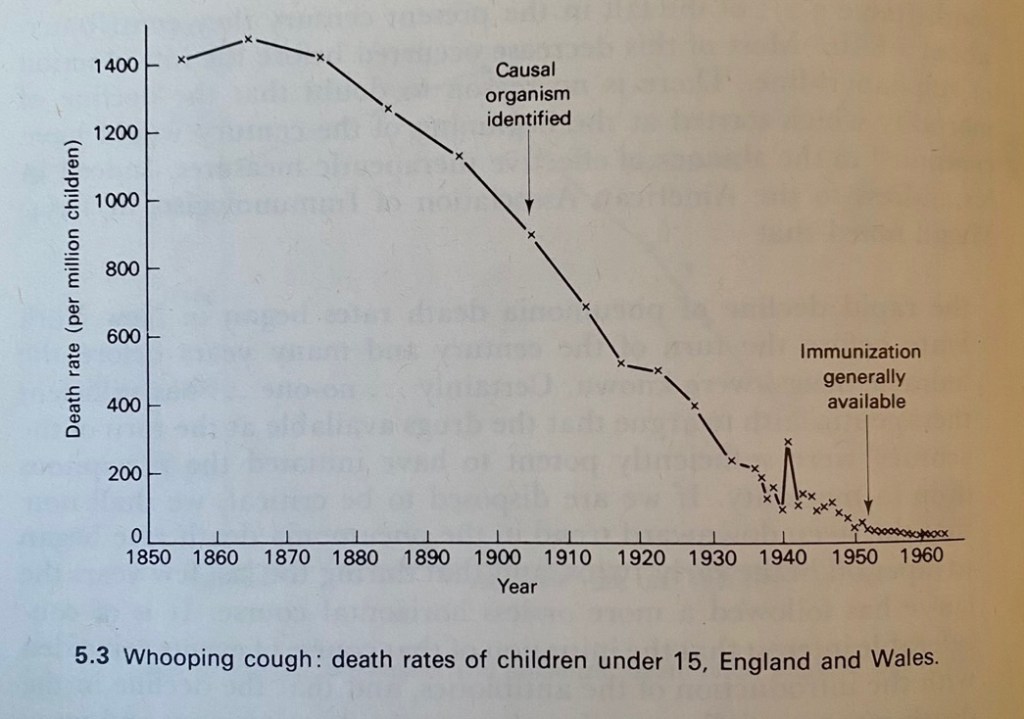
As expected, there are similar graphs and conclusions for tuberculosis, bronchitis, influenza, measles, scarlet fever, diphtheria and smallpox.
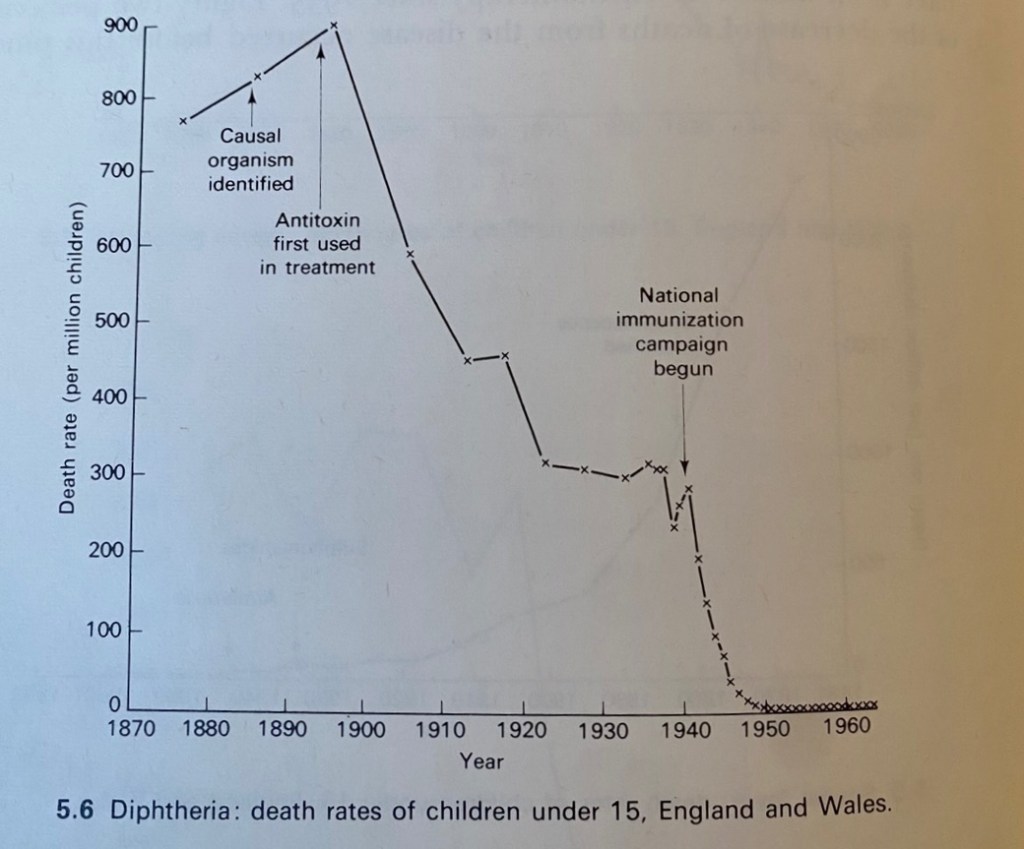

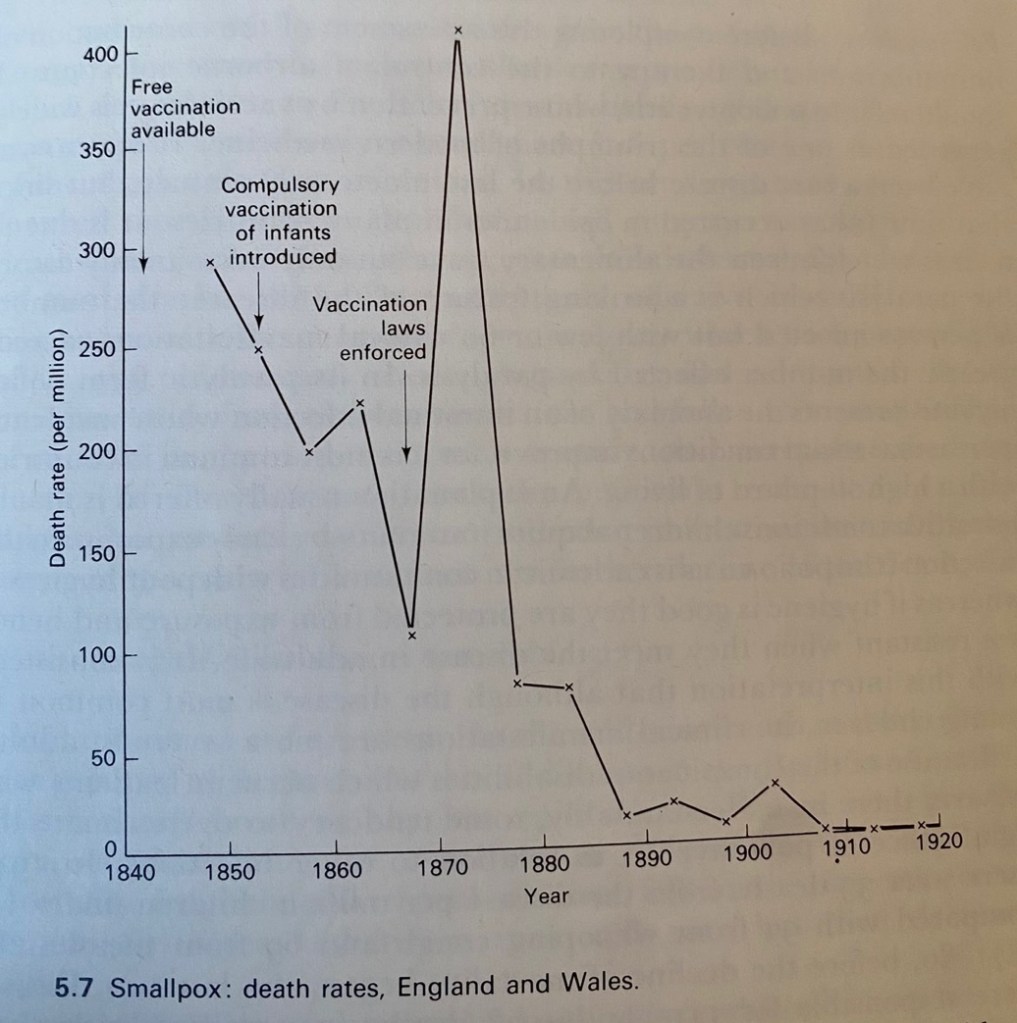

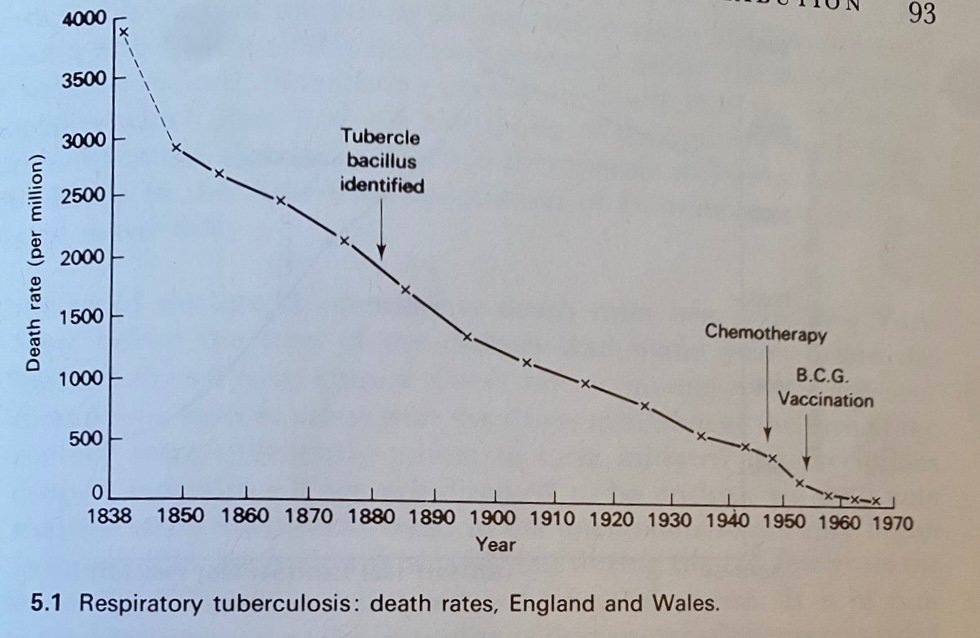
However, these graphs are for the mortality statistics, not incidences. But the aim of a vaccination is not to stop the spread as we know this to not be an actual attribute of immunisations. Instead, their focus is purely on stopping mortality in infected populations, unlike how we were told with the recent pandemic.
Although, these immunisations’ historical importance may be considered over-exaggerated, the concern I have comes from the enforced ‘recommendations’ to prescribe infants with numerous understudied injections that have known to cause many iatrogenic effects.
With most being aluminium adjuvant based, meaning their intended outcome is to enhance the immune system and force it learn how to fight certain diseases. But, whilst this bodily system is responding to the specific pathogen that has been injected, there is a temporary reduction in its capacity to respond to other infections. Some theories suggest that aluminium adjuvants influence the immune system in ways that lead to new allergies, specifically with gluten, dairy, and nuts.
Currently, there is is no epidemiological evidence that this is the case. However, studying such a link involves meticulous research. Most appropriately, it would need prospective cohort study, RCTs, case-controlled and cross sectional to see if there association is significant. In contrast, we currently just run post-marketing surveillance and retrospective cohort studies. This means, current epidemiological research deals with biased and incomplete data, the practical limitations of association over causation and ignore genetic predispositions, environmental factors and other vaccines or exposures.
But using some deductive reasoning suggests to us this should be properly studied. For example, the top ten most common allergens include milk, eggs, fish, shellfish, tree nuts, peanuts, sesame, wheat, soy, and corn. Weirdly enough, these all contain proteins found in all recommended vaccines. Furthermore, we know, from extensive epidemiological research, that environmental, and state changes can cause allergies to develop, including pregnancy, illness, and even getting a new pet.
Unfortunately, similar relationships exist with autism, brain damage, future illnesses, and general vaccine injury, but proper research has not been conducted.
Essentially, the studies suggesting that vaccines do not cause iatrogenic effects, run at the least optimal capacity possible, either due to resource limitations, or a lacking duty of care to immunised populations.
Vaccines, often hailed as one of the most significant advancements in public health, have undeniably played a crucial role in reducing the mortality of numerous infectious diseases. However, the extent to of which they are hailed, is disproportionate to the amount of help they’ve provided. It seems that the significant drop in numerous disease mortality should be attributed to cleanliness and antibiotics, not to vaccines. But, as a result of mismanaged public information, and the refusal to properly research into the side effects of routine immunisations, they are still treated as a must-have, with mothers giving their infants all ‘recommended’ vaccines without any consideration for individual reaction or risks.
Personally, taking time to properly research these substance is the minimum that all people should do, especially if they are considering vaccinating their children. If you are interested, there is some more information here:
 Vitality Blueprint
Leave a comment