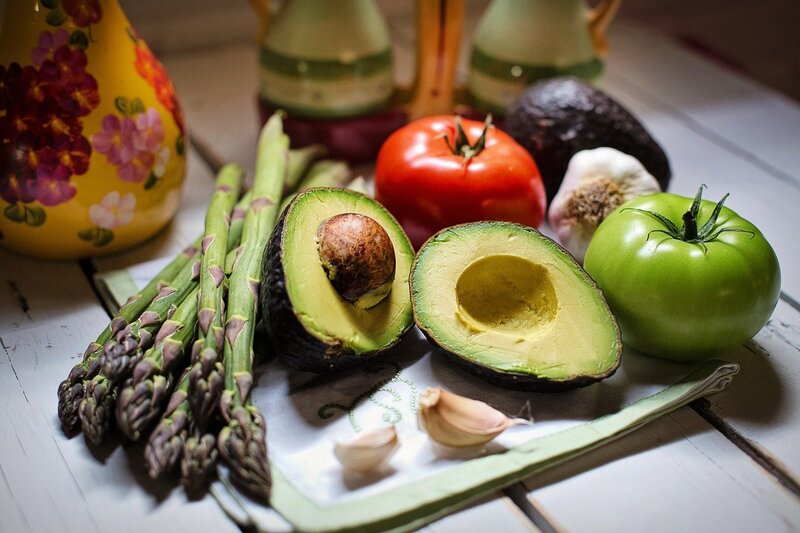
The vegan diet is a surging lifestyle characterised by absolutely zero animal products. Advocates claim a wide range of health benefits. Critics caution about its nutritional adequacy. Current scientific research has confirmed that a well-planned vegan diet can provide all essential nutrients at every stage of life. It has also been proven that this lifestyle is not only sufficient in dealing with a plethora of health complications, but veganism is nutritionally superior to any other human diet. Or has it?
Nutritional science is like chess; the rules are simple for anyone to pick up and play, but the game takes a lifetime to master. Even for someone like me, who is currently dedicating their life to health and wellness, understanding the nuances of nutrition is extremely complicated. I, by no means, am an expert in the vegan diet. However, I do have the ability to read and understand scientific literature and use a little bit of common sense.
So, to understand whether this lifestyle is truly one to be reckoned with, we need to grasp the claims of advocates and the scientific literature:
A vegan diet can provide all essential nutrients for health at every stage of life: partially correct.
Being the most fundamental proposition, this claim has been studied extensively. However, the current paradigm suggests that this is false. The NHS currently states that a well-planned vegan diet can provide almost all essential nutrients for health at every stage of life, including pregnancy, childhood, adolescence, adulthood, and older age. However, this position is not properly supported by up-to-date scientific literature. For example, vitamin B12 is not naturally present in plant foods and must be obtained from supplementation or fortified foods (those with B12 added), which are typically classified as ultra-processed. Moreover, people with lower B12 levels are more likely to experience depression, have muscle weakness, and experience extreme tiredness. But it does not stop there. Infants with low B12 levels can grow up to have neurodevelopmental issues, hypotonia, and even regressive disorders. For these reasons, countries like Belgium, Sweden, and (almost) Italy have strict policies regarding earlier relevant cases. For instance, parents who impose a vegan diet on their children without medical supervision can face prosecution and imprisonment under child neglect laws.
However, B12 is not the only essential nutrient unavailable to vegans; vitamin D is another culprit. Whilst our primary source comes from direct sunlight, those who live in countries such as England, like me, get limited exposure. As a result, if you do not eat fish or eggs (or other animal products high in vitamin D), supplementation is recommended to achieve minimum serum levels. Moreover, the list does not stop there. Plants are typically lower in iodine, iron, calcium, zinc, and selenium, all of which are essential to the human body and require supplementation if unavailable.
One of the more confusing claims is how this lifestyle is suitable for “all stages of life”. However, when we examine pregnancy, significant concerns arise regarding foetal malnutrition and development among vegan and vegetarian mothers. Surprisingly, even women who switch from a vegan to an omnivorous diet during pregnancy can experience similar issues, likely because nutrient deficiencies established before conception may persist and impact foetal development throughout.
Breastfeeding mothers who follow a vegan lifestyle are also at risk of not supplying sufficient key nutrients, such as vitamin B12, vitamin D, iodine, and DHA to their infants. This can increase the likelihood of developmental problems in the child if the mother’s diet is not carefully managed and supplemented. Additionally, there are anecdotal reports from clinical practices suggesting that placentas from vegan pregnancies often appear paler or more discoloured, which most likely reflects low iron stores or other relevant micronutrient deficiencies.
Without a doubt, we can say that this lifestyle offers almost all essential nutrients. However, without supplementation of certain vitamins, specifically B12 and D, any person who undertakes this diet not only risks numerous health issues for themselves, but also for their children.
2. Vegan diet lowers the risk of chronic diseases, such as type 2 diabetes, hypertension, and certain cancers: extremely context dependent.
If you were to ask a search engine whether the vegan diet lowers the risk of all diseases and symptoms, it would simply tell you, “Yes”. The current scientific understanding suggests that veganism lowers cholesterol levels, improves glycaemic control, lowers blood pressure, and reduces bowel pressure. However, when we investigate these studies, we can see that their comparison groups are based on the Standard American Diet (SAD), or, a lifestyle based on ultra-processed, over-calorific foods and a sedentary day-to-day activity level. So, it is no wonder that the vegan diet benefits those who live on vegetable oils, artificial colourings, and extreme quantities of food. If one were to consider these studies sound, it would be like comparing the health outcomes of someone who switches from smoking two packs of cigarettes a day to none, versus someone who has never smoked in the first place.
When we search for improvement versus the worst-case scenario, it does not mean the new approach is the pinnacle of health; instead, it is just a step up from an extremely poor baseline.
As most studies show vegan diets lower chronic disease risk compared to a typical Western lifestyle, what happens if we compare them to an adequate baseline? When the vegan diet is compared to a carefully planned, nutrient-rich omnivorous diet, the difference in health outcomes is negligible. All groups involved in these studies had better biomarkers than those on SAD, but the difference between vegan and omnivore was not as noticeable as we’d imagine.
3. Vegan diets help support weight loss and maintenance of healthy body weight: somewhat true.
Current RCTs have shown that the vegan diet can support weight loss in almost every individual. But, as we know, weight loss is mostly governed by the “calories are king” phenomenon. Due to vegan diets being made up of the most calorie-sparse foods, it is understandable that people lose more weight when on it.
However, the same problem arises as previously mentioned. Most of the studies referenced use SAD as their comparison group, creating the same dilemma as above. Also, there is no study that compares fat loss from these diets when controlling for calories. In other words, it is difficult to comprehend a singular diet permitting more body weight loss when the fundamental variable has not been controlled.
4. Vegan diets provide enough protein for all your body’s needs: true if planned properly.
While most vegans can meet overall protein recommendations, simply eating this diet does not guarantee adequate intake of essential amino acids or enough cysteine to create all non-essential amino acids. As we know, protein is crucial for growth and maintenance. However, it is also necessary to prevent the degeneration of muscle and brain mass. Recent studies show that although many vegans reach dietary protein recommendations, a significant proportion, up to half, do not meet the requirements of key amino acids like lysine and leucine. This is because many plants hold antinutrients, are less digestible, and lack optimal and specific amino acids compared to their animal counterparts.
For someone with nutritional knowledge, navigating this difficulty could be simple. But, for the average person, it can be extremely easy to overlook vital nuances. Therefore, without attention to protein diversity and quantity, there is a risk of falling short on the critical amino acids needed to maintain, regenerate, and govern various important physiological functions.
5. Vegan diets are superior for your gut health: false.
There is now no reason to compare the vegan diet to SAD, because we know that gut health is more beneficial without the abundance of RED40; instead, we should use a well-balanced omnivorous lifestyle as the comparator. Typically, gut health refers to the quality and effectiveness of one’s digestive system. Someone with so-called poor gut health is more likely to feel fatigued, stressed, hungry, and depressed. This is due to numerous vital hormones, such as serotonin, being synthesised within our guts.
Omnivores are more likely to have a greater gut microbial species diversity than vegans. However, diversity is not always synonymous with better health. More importantly, it is the presence of beneficial versus harmful bacteria. Unlike vegan diets, omnivores tend to have a higher prevalence of bacteria linked to inflammation, colorectal cancer, and poor cardiometabolic health. Most commonly, these are Ruminococcus torques, Bilophila wadsworthia, and Alistipes putredinis, which all have a more pronounced prevalence in meat-eaters. However, the extent to which these bacteria influence our health is extremely context-dependent. For instance, someone who is a carnivore, that is, an individual who only eats animal products, has an increase in these bacteria. Although they do not usually show the same inflammatory biomarkers that we would expect to see in someone on an SAD. This is potentially due to these bacteria not being inherently bad but instead correlating with someone on an ultra-processed diet and living with extensive fat mass.
On the other hand, someone who is vegan would avoid any introduction of these negatively correlated bacteria but could instead face their challenges regarding antigens and antinutrients, both of which are gut unfriendly. Usually, plant-based diets are higher in antigens and antinutrients like phytates, lectins, and oxalates. In most cases, these compounds are harmless, and even beneficial in small amounts, but when consumed in moderately high amounts, or alongside underlying gut conditions, they can cause gastrointestinal issues, interfere with mineral absorption, and even contribute to damaging immune responses.
Moreover, vegans need to watch out for antinutrients. Simply put, these are naturally occurring compounds in plants that are used as defence mechanisms against predators. A good analogy is the sheep and the wolf: a sheep escapes its predator, the wolf, by running, whereas a plant cannot run or move away from those that wish to consume it. So, instead, it has phytic acid, oxalates, tannins, goitrogens, and protease inhibitors. Even though these were not evolutionarily created to prevent human consumption, as humans are not the main predators, they can still create digestion issues in animals to discourage them from consuming certain plants in large quantities.
Furthermore, some of these antinutrients are nutrient-stealing. In other words, not only are you hindering the absorption of this plant, but it could also hinder your body’s ability to digest minerals and vitamins from other food sources simultaneously.
Therefore, being vegan is not superior to any other diet for your gut health. Current scientific understanding suggests that omnivores who eat clean-will have the best and most effective gut health.
6. Vegan diets lower cholesterol and heart disease risks: context dependent.
Unfortunately for vegan advocates, the claim of cholesterol reduction and heart disease prevention is only compared to those living a lifestyle that we would call part of the Western diet. If we compare veganism to omnivores in twin studies, LDL (low-density lipoprotein) was lowered to the bottom of its healthy range (100mg/dL, with minimum being 100mg/dL), whereas the omnivore groups remained stable, and in some cases also decreased.
Therefore, neither group had cholesterol issues and if one were to be further away from baseline, it would be the vegan. Similarly, VLDL and triglycerides show no significant changes in either lifestyle, with both vegans and omnivores being above the minimum threshold. However, due to the lack of vitamin B12 in most vegans, the benefits that you’d normally experience from within range cholesterol levels could be offset. To be specific, without B12 supplementation, the advantages of a lower LDL level could become offset by elevated homocysteine. When an individual does not have access to folic acid, homocysteine builds up within the bloodstream. Similarly to lipoproteins, this can cause blockages leading to an increased risk of cardiovascular disease, clots, and stroke. But this can be completely prevented in vegans with a simple B12 supplement.
Overall, while I will always acknowledge those who have chosen to take control of their health, this diet presents many issues, flaws, and a lack of lifestyle-specific benefits. The certain advantages proclaimed by advocates, such as weight loss, gut superiority, heart disease reduction, and effective cholesterol levels, largely come from misleading methodologies. Claims surrounding such health markers seem to fall apart completely when compared to adequate “clean eating”, implying that there is no evidence to crown veganism the king of diets. There seems to be more evidence to suggest the opposite, with the need to supplement, worry about antigens, ineffective amino acid profiles unless focused, and the careful dietary planning that must take place to allow bodily harmony to exist.
Ultimately, the evidence does not support the notion that veganism is inherently superior for health, and individuals partaking in this lifestyle should understand the importance of making correct dietary and supplementation choices to thrive.
 Vitality Blueprint
Leave a comment