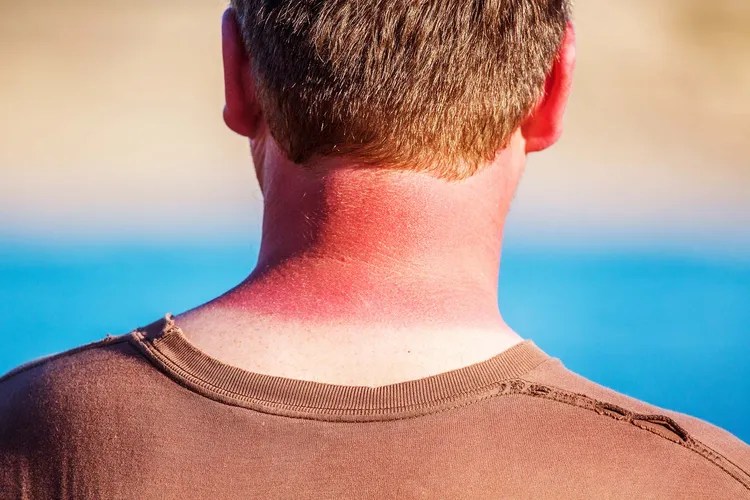
As the summer sun shines down, warnings about sun exposure, sunscreen, and the dangers of UV rays dominate the minds of most. But what if I told you that the real cause of sunburn, and consequently skin cancer, might not be the sun itself, but rather your body’s inadequate inflammatory response?
As of 2024, skin cancer has become the most common type of cancer in the United States, with 1 in 5 Americans likely to develop it during their lifetime.
For years, we have been told to fear the sun, encouraged to link it to skin cancers, premature ageing, and, of course, sunburn. In 1999, the CDC intensified its efforts to promote this awareness, spreading the campaign slogan “Choose Your Cover” concerning sunscreen and protective clothing. However, emerging research suggests that the narrative we’ve followed for decades might not tell the whole story.
Traditionally, sunburn has been viewed as a straightforward result of UV radiation damaging the DNA in our skin cells, leading to mutations that could eventually cause cancer. But what if the real issue isn’t just the exposure to UV rays, but how our bodies respond to this exposure? The inflammatory responses that follow a sunburn, characterised by redness, pain, and peeling, are a sign that our immune system is repairing cellular damage.
We all know the familiar sting of sunburn—the uncomfortable redness that follows a day spent under the sun. Understandably, people try to avoid this as best they can, given the mental association between pain and negative consequences. But sunburn is more than just a superficial irritation.
When your skin is exposed to too much UV radiation, it damages the DNA in your skin cells. This damage is detected by your body, triggering the release of chemicals like cytokines and histamines, which dilate the blood vessels to allow increased flow. As the regeneration process begins, the nerve endings become irritated due to higher sensitivity to stimuli that would not normally be felt.
These mutations can interfere with normal cell functions, sometimes leading to uncontrolled cell growth. This uncontrolled growth is what we recognise as a cancer risk. So, while sunburn itself is your body’s attempt to repair the damage, it can sometimes set the stage for skin cancer if the damage and inflammation occur too often.
But here’s the issue: it’s not just about the sun. Yes, the sun can cause skin cancer, but this is an oversimplification of our body’s repair processes. Imagine this: you’re slathering on sunscreen, but if your body’s internal environment is already prone to inflammation, you will be at a higher risk of sunburn and subsequent DNA damage because your body’s ability to repair itself is compromised. Sunscreen is a defence mechanism against UV rays, but it’s not a solution if your internal systems are dysfunctional.
What is the most well-known environmental influence on our body’s inflammatory response? Diet and lifestyle. For example, a diet high in processed sugars, seed oils, and trans and polyunsaturated fats ramps up oxidative stress in the body. Such a lifestyle directly results in free radical production (electron-stealing unstable molecules) and subsequent cellular damage. Additionally, without enough antioxidants (electron-giving molecules) to neutralise free radicals, your skin becomes more susceptible to UV damage, even with a protective layer such as sunscreen.
And it doesn’t stop there. The balance of essential fatty acids, particularly Omega-3, 6, and 9, plays a crucial role in producing your inflammatory responses. A skewed ratio, one high in Omega-6 and 9, promotes excess inflammation in the body. Such an imbalance leads to an overproduction of excessive inflammatory compounds, exacerbating inflammation, leading to increased sensitivity to UV damage, and potentially more severe sunburns. This heightened inflammatory state makes it more difficult for your body to repair DNA damage, increasing the risk of skin cancer.
Even your gut health can make a difference. A healthy gut microbiome, one with a large population of beneficial bacteria (commonly found in natural foods), can boost your skin’s ability to handle environmental stressors, including UV rays. But if your gut is out of balance, which is a direct result of poor dietary habits, your skin is not as resilient to the sun’s rays. This is due to the compromised production of certain gut-produced protective compounds, thereby weakening the skin’s barrier function.
Therefore, there is no need to be afraid of the sun or to lather on sunscreen as the sole protection from skin cancer. As with most prevalent conditions, medication and band-aids are not the answer. You need to address the root cause of such epidemics, not cover it up with superficial solutions. For example, people need to be informed about how skin cancer works and where the risks truly lie. This is especially relevant since the United States and the United Kingdom have rates 5 times higher than the global average and are two of the nations with the highest obesity rates and processed food consumption.
 Vitality Blueprint
Leave a reply to Everyone Should Eat Coconut Oil – Mark's Newsletter Cancel reply